
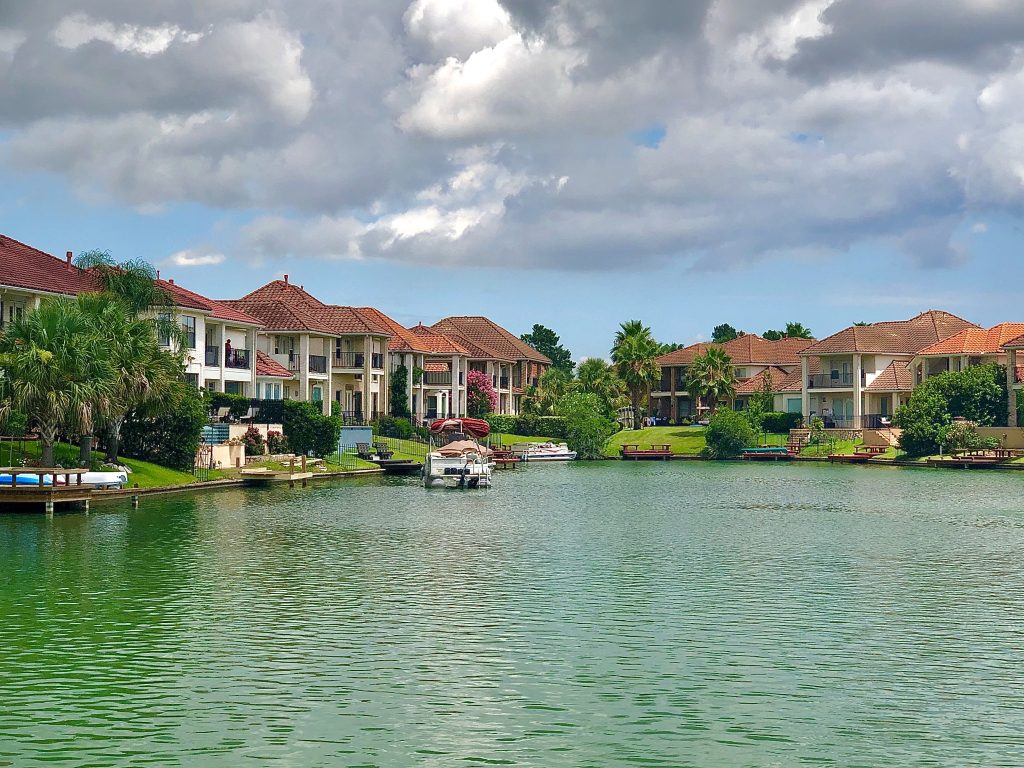
Buying a waterfront home is a dream for many of us, but in Florida—as we saw last week—it’s important to keep a level head and do your due diligence before making an impulsive purchase, to avoid ending up with water up to your ankles.
The first step is to check the federal flood map (https://msc.fema.gov/), which indicates the property’s flood zone classification. Homes in high-risk zones, labeled A or V, have a 1% annual probability of flooding. These areas are marked on the map, and it’s prudent to check each property individually rather than just the neighborhood as a whole.
This classification will have multiple implications, particularly with regard to the lender if the buyer wishes to take out a loan, as the financial institution may require flood insurance for the entire term of the loan. Moreover, even when purchasing with cash or in a low-risk zone, it is still advisable to obtain this type of insurance: a large proportion of flood insurance claims originate from these so-called low-risk zones.
Flood Insurance
It is advisable to request quotes from several insurance companies even before signing the preliminary sales agreement. Flood insurance premiums within the same neighborhood can vary significantly from one home to another. Factors such as elevation will be taken into account.
If the seller has an elevation certificate, you should obtain a copy of it or have one prepared by the inspector conducting the “survey” (inspection), for an additional fee.
Flood Disclosure Requirement
As of July 1, 2025, Florida law requires the selling owner to provide a disclosure regarding flood risk no later than the time the sales contract is signed. https://www.leg.state.fl.us/
However, it is prudent to request information well in advance, such as the history of insurance claims—if the seller agrees to share it—or the history of building permits from the county. By asking the question directly, the seller is required to give an honest answer and disclose what they know, or risk being held legally liable for lying or omitting information on this matter.
What can you do to better prepare your home against flooding?
To prevent water from entering, several techniques are available, including protecting windows and doors with flood-proof doors, flood barriers, sandbags, or metal or inflatable barriers; thoroughly cleaning the gutters and ensuring that water flows in the right direction; seal all parts of the home’s foundation, checking outdoor electrical outlets and holes in the walls; install backflow preventers, which stop floodwater from backing up through sewer lines and drainage pipes. They can be installed in virtually any home.
Finally, remember to take proactive measures to protect your home in case water enters, such as using non-porous flooring materials, raising electrical outlets and utility lines, and moving furniture to higher ground at the first sign of a flood warning.
Translated with Deepl