
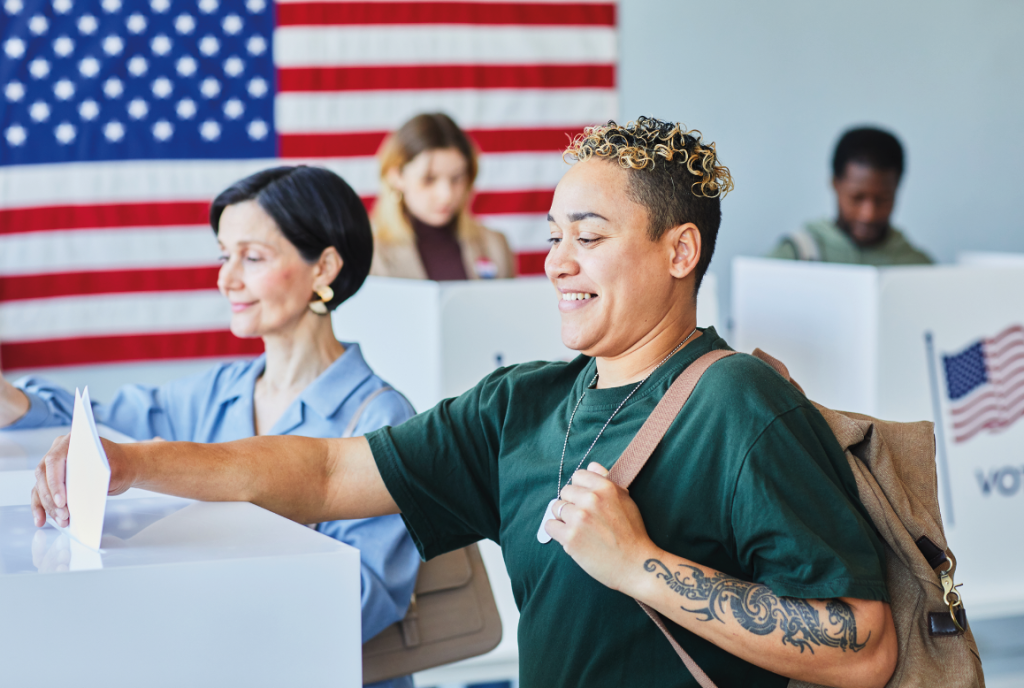
In Florida, the right to vote is once again at the center of an intense political debate that challenges the very foundations of democracy.
A bill introduced in the House of Representatives aims to limit the list of acceptable forms of ID for voting. Its proponents justify this by citing the need to strengthen electoral integrity. Its detractors denounce it as a measure aimed at excluding thousands of legitimate voters, which they believe favors Democrats.
Civil rights organizations fear a significant impact on certain segments of the population, including the elderly, students, and rural voters. Obtaining a new ID can be complicated due to administrative hurdles, and this reform could lead to a decline in voter turnout.
Critics point out that Florida has already changed its election laws several times in recent years, particularly with regard to mail-in voting and voter registration. In their view, the proliferation of restrictions makes it more difficult to vote rather than making it more secure.
Citizens will still be able to use their driver’s licenses and other state-issued ID cards. Other forms of government identification, such as concealed carry permits, will also continue to be accepted.
It is students who are likely to face greater difficulties in accessing the polls, as their ID cards issued by state colleges and universities will no longer be accepted. Dr. Anna Eskamani, a Democratic member of the Florida House of Representatives, asked Persons-Mulicka, a Republican elected from Fort Myers, if there had been any reported problems with the use of student ID cards in previous elections. Persons-Mulicka replied that she had no data on specific cases. Eskamani said it made no sense to allow a concealed carry permit as valid ID for voting but not a student ID issued by a public university.
For many seniors, access to the polls may also become more difficult, as retirement center ID cards will no longer be accepted. The requirement for a new ID card to vote may pose a significant problem for this category of voters, due to the sometimes difficult access to the original documents required, the travel involved for people with reduced mobility, and the costs associated with these procedures.
Bill 991 contains many other provisions, such as changes to the vote recount system.
From a legal standpoint, challenges are expected if the bill is passed, particularly with regard to constitutional and federal civil rights protections. The courts will have to weigh the balance between preventing fraud and protecting the fundamental right to vote.
The proposal to restrict the list of acceptable forms of identification for voting, currently being debated in the Florida House of Representatives, is causing serious concern.
In a democracy, any new administrative requirement for exercising the right to vote must be carefully evaluated to ensure that it does not turn a fundamental right into an obstacle course for the most vulnerable.